|
" There are sometimes photographers whose work literally defines a generation, Bailey defined the ’60s, David Levine did a similar thing for the ‘80s". Chalkie Davies - Photographer |
|
ITA
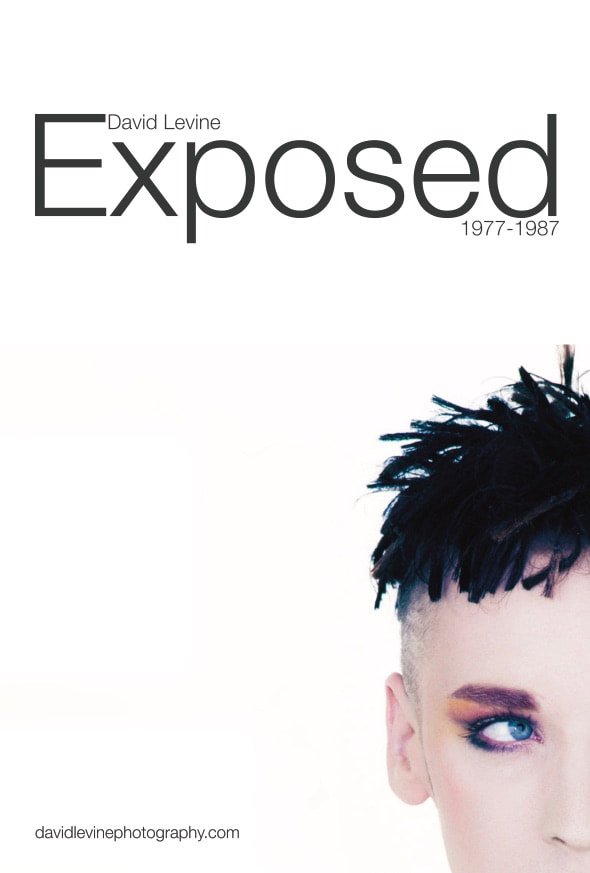
10 anni di arte fotografica a testimonianza della storia e costume dei meravigliosi anni ’80, attraverso gli scatti e il materiale di archivio del fotografo David Levine. Le immagini sono tratte dal libro David Levine Exposed 1977-1987, il decennio che ha musicalmente e culturalmente influenzato la storia e la cultura pop internazionale, con un interessante focus riservato ad alcuni protagonisti assoluti che hanno collaborato con il fotografo. Folli, colorati ed incoscienti... gli anni ‘80 di David Levine si concentrano principalmente a Londra, il quel mondo artistico e musicale rivoluzionario, che aprì le porte ad una serie infinita di sperimentazioni di cui il Regno Unito fu maestro e che fecero dimenticare le difficoltà del decennio precedente,. Furono gli anni della nascita di Internet, l’arrivo degli effetti speciali al cinema, la caduta del Muro di Berlino e nel ricordo collettivo gli anni della tecnologia, dell’esagerazione e della spensieratezza, la prima rete via cavo, MTV e la nascita dei videoclip con la musica che non fu più solo da ascoltare ma anche da vedere. |
ENG
Ten years of photographic art capturing the history and spirit of the extraordinary 1980s, through the shots and archival materials of photographer David Levine. The images are taken from the book David Levine Exposed 1977–1987, the decade that musically and culturally shaped international pop culture, with a compelling focus on some of the key figures who collaborated with the photographer.Wild, colourful, and reckless… David Levine’s 1980s unfold mainly in London, within that revolutionary artistic and musical scene that opened the door to an endless wave of experimentation in which the United Kingdom excelled, helping people forget the hardships of the previous decade. These were the years that saw the birth of the Internet, the arrival of special effects in cinema, the fall of the Berlin Wall, and, in collective memory, an era defined by technology, excess, and carefree enthusiasm. It was the time of the first cable networks, MTV, and the rise of the music video—when music was no longer just something to listen to, but also something to watch. |
|
DAVID LEVINE
nato nel 1960 e dall'età di 6 anni porta sempre con sé una macchina fotografica! A 14 anni riceve le prime commissioni fotografiche private e due anni dopo inizia a fotografare gruppi musicali in concerto. La sua carriera professionale inizia nel 1977 quando comincia a lavorare come assistente fotografo. Le prime foto pubblicate furono di Annie Lennox e Iggy Pop nel 1979. Le successive includevano The Cure, ABC, Culture Club, Iggy Pop,Tears for Fears e Kyle Minogue. A metà degli anni '80 il focus fotografico di David si concentra sulla moda, sulla pubblicità per clienti come Clarins, John Lewis e Harrods e sul ritratto di celebrità tra cui Ricky Gervais, Paul Nicholls, Boy George, Jermaine Jackson, 5 Star e Siouxsie Sioux, Martin Shaw e Paul McGann. Ha collaborato inoltre come fotografo in video musicali con il regista Tim Pope. Il suo lavoro è stato riprodotto su copertine di dischi e in pubblicazioni internazionali ed è stato esposto in prestigiose gallerie e musei come Hamiltons e The National Portrait Gallery. Il ritratto di Paul Nicholls realizzato da Levine del 2009 è conservato presso la National Portrait Gallery. Levine ha stabilito uno stile di lavoro in studio, molto imitato da altri fotografi musicali negli anni '80 e in effetti oggi la sua influenza è ancora visibile. Levine è attualmente docente di Fashion Photography and Film presso la University of Arts di Londra_ London College of Fashion. |
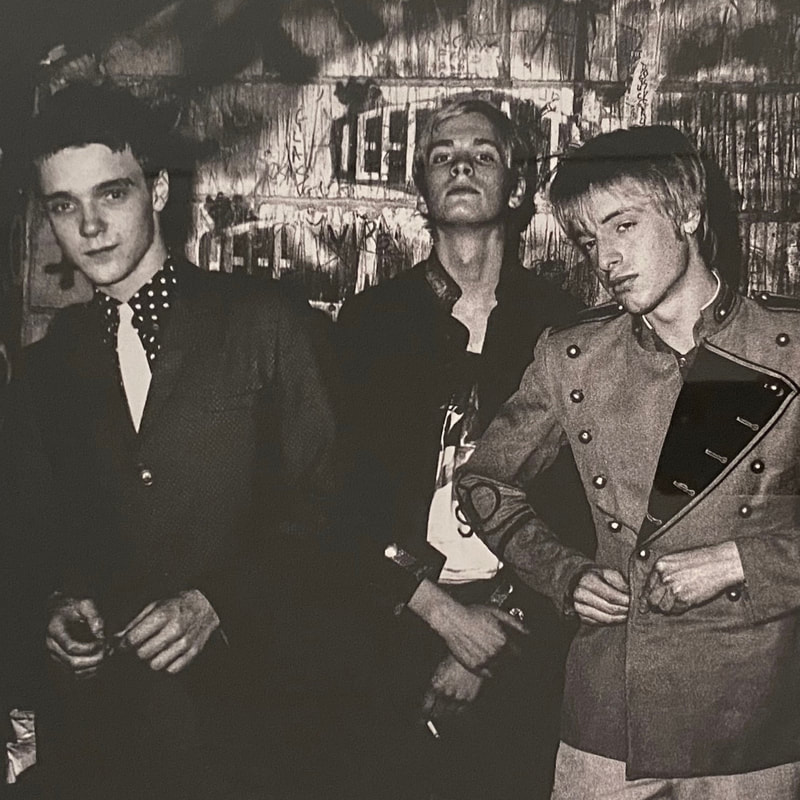
Born in 1960, he has carried a camera with him since the age of six.At fourteen, he received his first private photographic commissions, and two years later he began photographing live music performances. His professional career began in 1977, when he started working as a photographer’s assistant. His first published photos, in 1979, were of Annie Lennox and Iggy Pop. Subsequent work featured artists such as The Cure, ABC, Culture Club, Iggy Pop, Tears for Fears, and Kylie Minogue. By the mid-1980s, David’s photographic focus shifted toward fashion, advertising—working for clients such as Clarins, John Lewis, and Harrods—and celebrity portraiture, including Ricky Gervais, Paul Nicholls, Boy George, Jermaine Jackson, Five Star, Siouxsie Sioux, Martin Shaw, and Paul McGann. He also collaborated as a photographer on music videos with director Tim Pope. His work has appeared on album covers and in international publications, and has been exhibited in prestigious galleries and museums such as Hamiltons and the National Portrait Gallery. His 2009 portrait of Paul Nicholls is held in the National Portrait Gallery’s collection. Levine established a distinctive studio style widely imitated by other music photographers in the 1980s, and his influence remains visible today. He is currently a lecturer in Fashion Photography and Film at the University of the Arts London – London College of Fashion. |
|
MOSTRA
DAVID LEVINE EXPOSED 1977–1987 nasce dalla pubblicazione del libro del fotografo David Levine e si sviluppa come una mostra che ribalta il tradizionale processo curatoriale. Piuttosto che produrre una pubblicazione come esito di una mostra, è la mostra stessa a emergere dalle immagini, dalle storie e dai materiali d’archivio contenuti nel libro. Conosciuto a livello internazionale come “The Man Who Shot the Eighties”, David Levine documenta alcuni dei musicisti più influenti e delle icone culturali emergenti del decennio. Le sue fotografie ritraggono artisti in momenti cruciali della loro carriera, spesso prima che raggiungano una notorietà globale, offrendo una prospettiva unica sulla cultura visiva dell’epoca. Presentata a Schio, una città situata al di fuori dei principali centri culturali italiani, la mostra esplora il modo in cui memorie culturali condivise a livello globale possano generare forme significative di coinvolgimento locale. Nonostante il contesto periferico, il progetto attrae un pubblico eterogeneo, per il quale il legame personale con la musica degli anni Ottanta rappresenta un immediato punto di accesso ai contenuti espositivi. Un elemento centrale del progetto è l’integrazione di un ambiente sonoro immersivo che propone brani iconici degli artisti rappresentati nelle fotografie di Levine. I visitatori accedono alla mostra attraverso musiche spesso immediatamente riconoscibili, creando una connessione emotiva istantanea e un punto d’ingresso multisensoriale alle narrazioni esposte. La combinazione di elementi visivi e sonori trasforma il percorso espositivo in un’esperienza immersiva all’interno di un immaginario culturale condiviso. Accanto alle fotografie, il progetto mette in luce storie personali, aneddoti dietro le quinte e relazioni professionali che contribuiscono alla realizzazione delle immagini. Rivelando i contesti sociali e creativi da cui le fotografie prendono forma, la mostra offre al pubblico nuove prospettive sia sugli artisti ritratti sia sul ruolo del fotografo nel documentare un momento culturale determinante. |
EXHIBITION
DAVID LEVINE EXPOSED 1977–1987 takes shape from the publication of photographer David Levine’s book and develops into an exhibition that reverses the conventional curatorial process. Rather than producing a publication as the outcome of an exhibition, the exhibition itself emerges from the images, stories, and archival material contained within the book. Internationally known as “The Man Who Shot the 80's”, David Levine documents some of the most influential musicians and emerging cultural icons of the decade. His photographs capture artists at pivotal moments in their careers, often before they achieve worldwide recognition, offering a unique perspective on the visual culture of the period. Presented in Schio, a town located outside Italy’s major cultural centres, the exhibition explores how globally shared cultural memories can generate meaningful local engagement. Despite its peripheral setting, the project attracts a diverse audience whose personal connection to the music of the 1980s becomes an immediate point of access to the exhibition. A key element of the exhibition design is the integration of an immersive sound environment featuring iconic tracks by the artists represented in Levine’s photographs. Visitors enter the exhibition through music that is often instantly recognisable, creating an immediate emotional connection and a multisensory entry point into the narratives on display. The combination of visual and auditory elements transforms the exhibition into an experiential journey through a shared cultural landscape. Alongside the photographs, the project highlights personal stories, behind-the-scenes anecdotes, and working relationships that shape the images. By revealing the social and creative contexts behind the photographs, the exhibition offers audiences new insights into both the artists portrayed and the photographer’s role in documenting a defining cultural moment. |
|
COPYRIGHT Qualsiasi copia o utilizzo non autorizzato delle immagini è proibito. L'utilizzo delle immagini può essere concordato solo in conformità con i termini e le condizioni di David Levine. Il curatore si assume il diritto di utilizzo delle immagini concordate con l’artista, per pubblicizzare e promuovere l’evento attraverso i social media, pagina web, pubblicità, stampa e newsletter. In ogni istanza di tale utilizzo, l'artista deve essere riconosciuto come il creatore e titolare dei diritti d'autore dell'opera d'arte.
|
COPYRIGHT Any unauthorized copying or use of the images is prohibited. The use of the images may only be agreed upon in accordance with the terms and conditions of David Levine. The curator reserves the right to use the images as agreed with the artist, in order to advertise and promote the event through social media, websites, advertising, press, and newsletters. In any such instance of use, the artist must be acknowledged as the creator and copyright holder of the artwork.
|